Look at social media for five minutes and you will see the trend: grainy point-and-shoot snaps, fake light leaks, soft focus, flash-blasted party pictures and film-style filters. The message is that imperfect photos feel more “real,” especially now that so many polished images online are made or edited by AI.
This week, Digital Camera World ran an opinion piece by longtime photo editor Gavin Stoker that pushes back on that idea. His argument, in plain terms: chasing deliberate flaws can become an excuse for sloppy work. He gets why people are tired of over-perfect, filtered images, and he admits he loves some of his own photos that are a little out of focus. But those photos work because of the connection with the subject, not because the flaws were planned. He also points out an irony: if AI learns from everything we post, it will learn to fake “imperfection” too, so blur and grain are not a reliable badge of a real photo.
We think he is right, and the debate matters more for event and headshot clients than it might seem.
Authentic is about the moment, not the mistakes
When people say they want “authentic” photos, they usually mean something specific:
- Real moments, not stiff poses: the laugh during a toast, the handshake after an award, the room leaning in during a keynote
- Real people: skin that still looks like skin, not plastic
- Real color: the venue looks like the venue did that night
None of that requires a blurry, badly exposed file. In fact, the opposite is true. A real moment only lasts a second. If focus is missed or the highlights are blown, the moment is gone, and no filter brings it back. Technical skill is what lets a photographer catch genuine moments reliably, all night long.
What this looks like at an event
At conferences, galas and company parties in San Antonio, our goal is documentary: tell the story of the day honestly. That means we work hard so the craft stays invisible:
- Sharp where it counts. Eyes and faces of speakers and honorees in focus, even in dim ballrooms.
- Clean exposure. Stage lights and dark rooms handled so nobody turns orange or disappears into shadow.
- Honest edits. Color correction and consistent tones across the gallery, without changing what happened. We wrote about this line in our post on the New York Times Photoshop decision and honest event photos.
- Candids over chaos. We watch and wait for natural interaction instead of staging everything, but we still choose angles, light and timing on purpose.
If you want a deliberately lo-fi look for a party photo booth or a social media recap, that can be fun. It just works best as a creative choice layered on top of good photos, not as a replacement for them.
What this looks like for headshots
Headshots are where the authenticity debate gets personal. Nobody wants a headshot that looks like a different person, and nobody wants one that is soft, noisy or unflattering either. Our approach:
- Light the face well so it needs less retouching later
- Retouch temporary things (a blemish, stray hairs, lint) and leave permanent features alone
- Keep natural skin texture so the photo still looks like you on a video call
That is the real kind of authentic: a photo that looks like you on a good day, made with care. Funny enough, very sharp portraits sometimes get mistaken for AI, which we covered in our post about the Sigma 85mm f/1.2 photos people thought were fake.
About the photo at the top
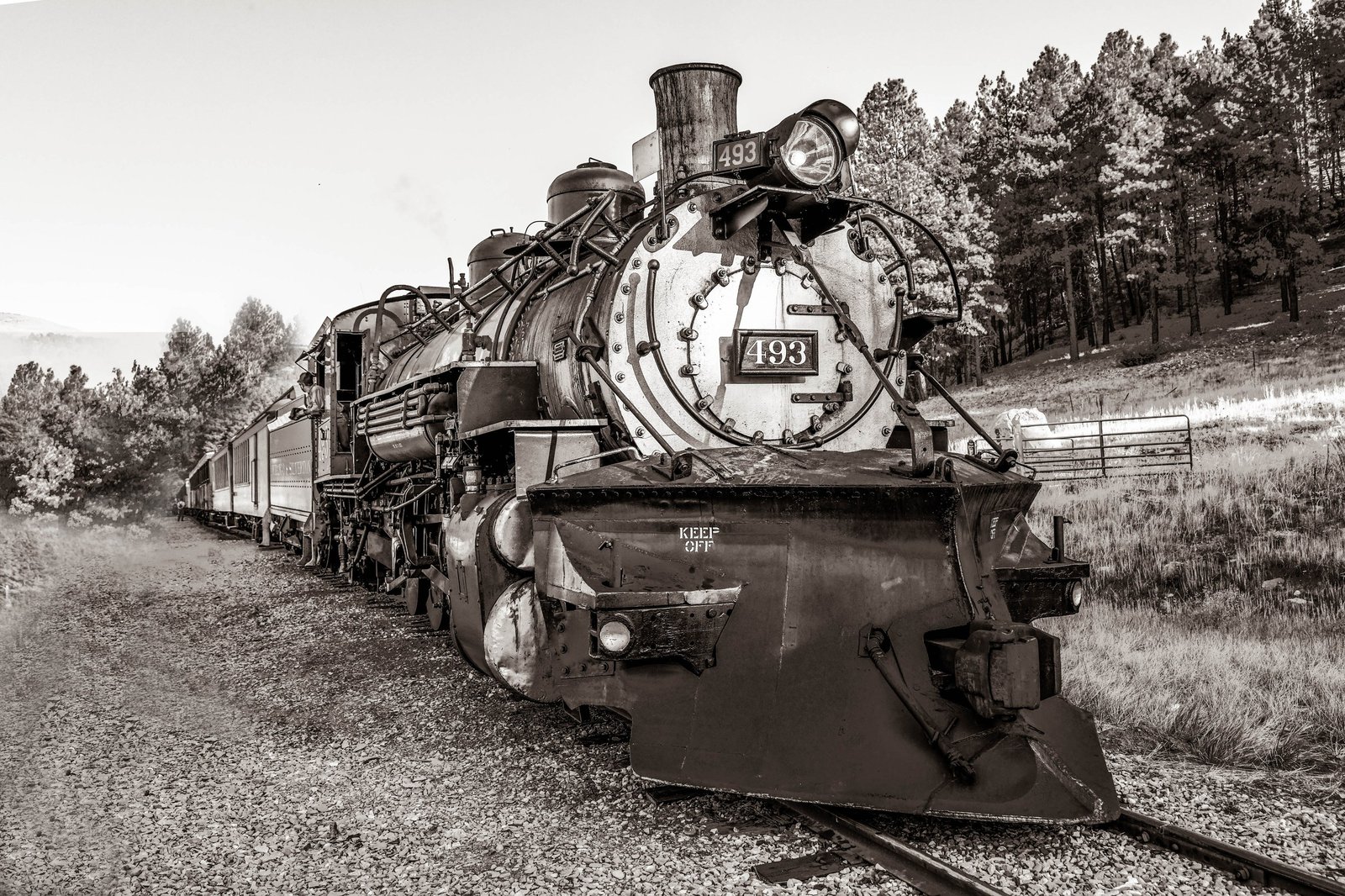
Old subjects are a big part of the retro trend, so we picked one of ours: a historic steam locomotive photographed on a trip to the Colorado mountains, on a Nikon D850 at 26mm. It has the timeless feel people chase with film filters, but that feel comes from the subject, the light and a careful black and white conversion, not from adding fake grain or blur to the file. Every rivet and the number plate are crisp. If you like that style, our black and white photography lessons post has more ideas.
A quick checklist: real but not sloppy
- Get it right in camera. Focus, exposure and white balance first. Editing should polish, not rescue.
- Pick moments over perfection. A real expression with slight motion beats a perfect but empty frame. Just do not choose blur on purpose.
- Keep edits honest. Fix color and light, remove distractions, do not invent. Our color mistakes guide shows how we keep colors clean.
- Use styles on purpose. Black and white, warm film-like tones or flash looks are fine when they suit the story and the client asked for them.
- Remember the gear is not the point. As we said in our iPhone TIME Top 100 post, the moment and the skill matter most. Good tools just make good results more consistent.
What this means if you are hiring a photographer
When you look at a photographer’s portfolio, ask: do these photos feel real, and are they also sharp, well lit and consistent from image to image? You want both. A gallery full of happy accidents is a gamble. A gallery full of real moments, captured with skill, is what you are paying for.
Planning an event or team headshots in San Antonio? See our event photography and headshot photography pages, browse our services, or contact Grey Bug Photography, a small veteran-owned business.