The camera industry just got its latest report card, and it is a mixed one. New shipment numbers from CIPA, the Japanese trade group that tracks what Canon, Nikon, Sony, Fujifilm and other major brands ship worldwide, show that camera makers are selling fewer cameras but making more money on each one. Full-frame bodies, the kind most working event and headshot photographers use, took the biggest hit, while small compact cameras keep growing. Here is what the numbers say in plain language, and what it means if you are a business, nonprofit, or organizer in San Antonio planning to hire a photographer.
What the latest CIPA camera sales numbers show
The CIPA data for August 2026, reported on October 26 by Digital Camera World and broken down further by RedShark News, comes down to a few headlines:
- Four months of slower sales. Camera shipments have trailed last year every month from May through August. For January through August, total shipments are about 3 percent below 2025, which was the industry’s best year since 2019.
- Mirrorless is down in units, up in value. Mirrorless cameras now make up roughly 92 percent of interchangeable-lens cameras shipped. Units fell about 6 percent, but the total value shipped rose about 3 percent. In other words, the average camera body costs more than it did a year ago.
- Full-frame took the biggest drop. Full-frame and larger-sensor bodies fell close to 20 percent in units for the year so far, while smaller-sensor models held roughly steady and gained value.
- Compacts are the growth story. Fixed-lens compact cameras are up about 15 percent, and manufacturers are producing more than 25 percent more of them to keep popular models in stock.
- Lenses are holding up. Lens shipments dipped slightly, but their value rose, and photographers are buying more lenses per camera body than last year.
- DSLRs keep fading. DSLR shipments are down about a third and now make up under 8 percent of interchangeable-lens cameras.
Why fewer cameras but higher prices?
The simple version: camera brands are focusing on fewer, more capable, higher-priced models, and the buyers who remain are spending more per camera. Phones have taken over casual snapshots, so dedicated cameras are increasingly bought by people who need something a phone cannot do, like fast autofocus in a dark ballroom, clean files at high ISO, long battery life, and lenses that isolate a speaker on a stage from across the room.
The jump in compact cameras is partly a style trend. Many people want a small, fun camera with a distinct look for travel and everyday life. That is great for photography as a hobby, but it is a different job than covering a conference or delivering a consistent set of corporate headshots.
What this means if you are hiring an event or headshot photographer
Market numbers like these can feel far away from planning a luncheon, a summit, or a team headshot day, but a few practical takeaways do carry over:
- Pro gear is a real investment, and it shows in the results. Professional full-frame bodies and fast lenses are getting more expensive, not less. A photographer who has invested in that kit can handle low light, fast-moving stage moments, and large rooms in ways a phone or entry-level camera usually cannot.
- Ask about backups, not just the main camera. At an event there is no second chance at the keynote or the award handoff. It is fair to ask a photographer if they bring a second body, spare batteries, and dual-card recording so one failure does not cost you the day.
- Lenses matter as much as the camera. The lens trend in the data lines up with what we see in real work: the right lens for a wide venue shot, a stage close-up, or a flattering headshot often makes a bigger difference than the newest body.
- Consistency is the point for headshots. For a team or a summit headshot line, what you are paying for is the same lighting, framing, and editing look across every person, plus a smooth way to deliver files. That comes from a practiced setup and workflow, not from whatever camera is trending this month.
How Grey Bug Photography approaches gear
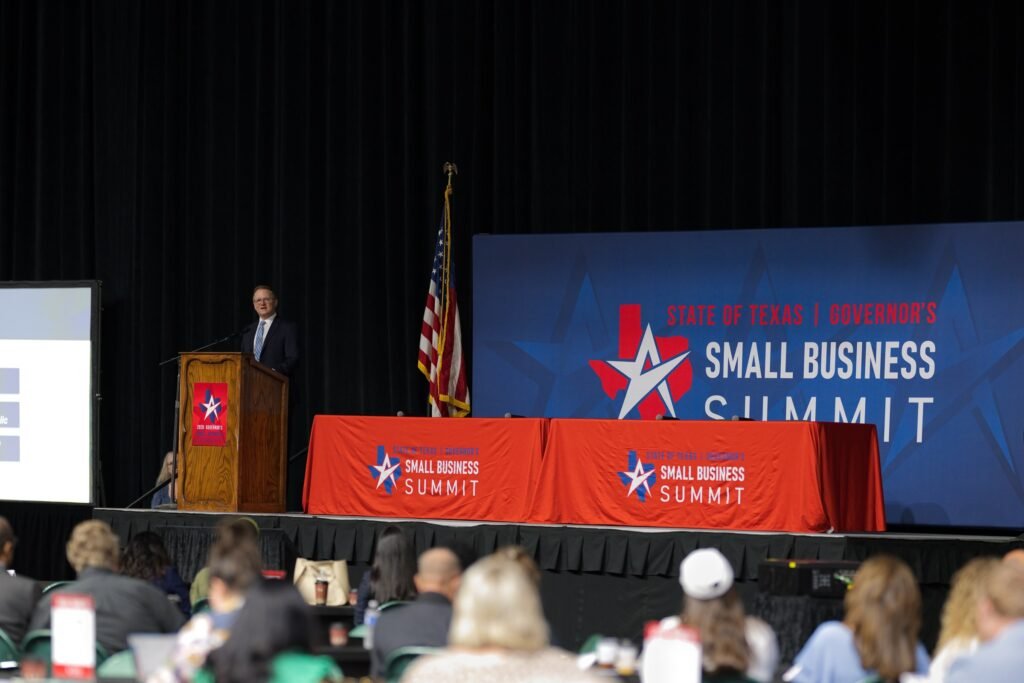
At Grey Bug Photography we have used the Nikon Z9 and Z8 since they were released, and we keep them up to date with firmware so they stay reliable for long event days and headshot sessions. Our approach is to buy dependable professional tools, keep them maintained, and focus our energy on what clients actually see: well-lit, well-timed photos delivered on schedule. The photo at the top of this post is a good example. A wide view of the stage, the branding, and the audience tells the story of an event in one frame, and it takes the right lens and some planning about where to stand.
Industry ups and downs will keep coming, but the goal for your event does not change: you want images you can use for marketing, recaps, sponsors, and social media long after the day is over.
Planning an event or headshot day in San Antonio?
If you have a conference, summit, company event, or team headshot session coming up in San Antonio or around Texas, we would be glad to talk through coverage, timing, and delivery. Reach out through greybugphotography.com and let us know what you are planning. And if you want to talk camera market trends, join the conversation on our community forum.