For years, people have asked whether OM System — the company that used to be Olympus — would finally build a full-frame camera. On November 7, 2026, Digital Camera World reported a clear answer from the company’s own executives: they are staying with Micro Four Thirds. PetaPixel covered the same Japanese-language interview a few days earlier. The short version is that OM System has thought about a larger sensor and decided not to chase one.
At Grey Bug Photography we photograph San Antonio events and headshots on the Nikon Z9 and Z8, and we have used both since each launched. Those are full-frame bodies, chosen on purpose for dim ballrooms, mixed stage light and files that still look clean when a client crops them for a website or a press recap. OM System’s point is not that full-frame is “bad.” It is that a camera you leave at home has no value at all. Both ideas can be true, and both matter if you are hiring a photographer or shopping for a kit.
What OM System said
The comments come from a video interview on OM System’s Japanese YouTube channel with Eiji Shirota, head of the OM System business unit, and Setsuya Kataoka, the company’s chief operating officer. Digital Camera World and PetaPixel both quote the same conversation. Here are the main points, in plain language:
- Full-frame keeps coming up, then fading away. Shirota said the idea has surfaced more than once inside the company. He looked at what a full-frame OM System camera might be and never reached the conclusion that they should change course.
- They want a kind of value that only a smaller system can deliver. Micro Four Thirds cameras and lenses are smaller and lighter than most full-frame kits. OM System’s argument is that this size is not a compromise they hope you will ignore. It is the product.
- Kataoka considered a larger sensor years ago. Early on, he thought about expanding into full-frame or APS-C. A senior colleague told him to push Micro Four Thirds as far as it could go before jumping to another format. He says that advice has guided the last 15 years.
- They are honest about the image-quality gap. Shirota said full-frame and Micro Four Thirds will never be identical. His view is that once a camera’s image quality is good enough for the person using it, that physical gap stops mattering as much as people think.
- It is about the situation, not a winner. If portability is the priority, Micro Four Thirds is the better fit. If someone wants the absolute best file in a specific setup, full-frame may be the better option. Shirota said more people are choosing the smaller system, and that having a real choice is the point.
- Ruggedness is part of the pitch. The executives pointed to weather sealing and work in extreme places: a landscape made at minus 40 degrees, a multi-day trek, and Japanese photographer Tetsuro Shimizu traveling on horseback in Mongolia, where a heavy kit simply would not have come along.
Digital Camera World summed up the stance with a line that is easy to remember: if a camera is so heavy that you decide to leave it behind, it loses all its value.
What that means on a real event or headshot day
That quote is fair. A lighter camera is the one you will take on a hike, a trip, or a walk around town. OM System has built features — high-resolution multi-shot modes, strong stabilization, serious weather sealing — to close some of the gaps that used to send people to a larger sensor. For outdoor work and for anyone who wants a kit they will actually carry, that philosophy makes sense.
Paid event and headshot work is a different situation, which is why we still show up with the Z9 and Z8.
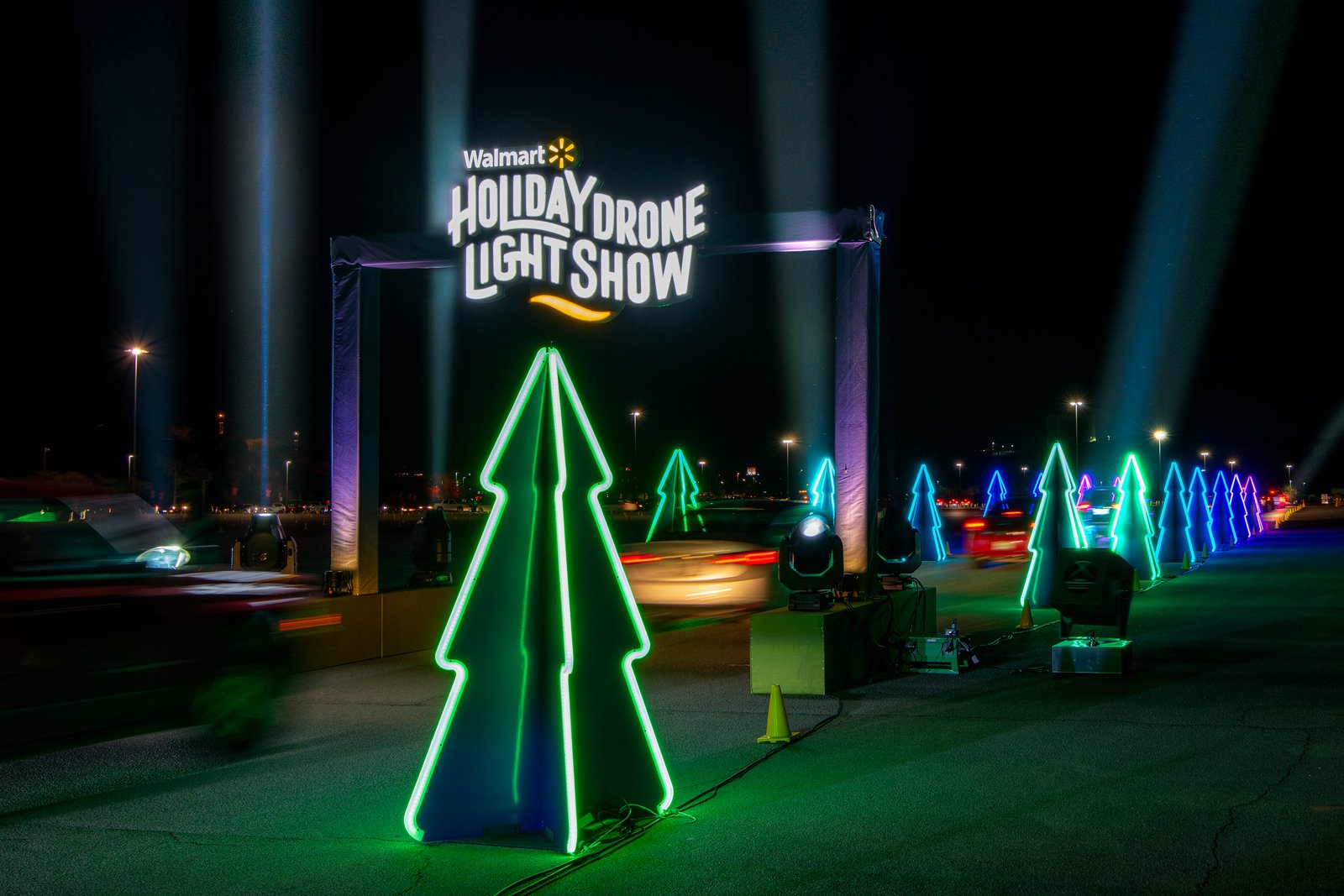
Conference ballrooms, award dinners and evening light shows rarely give you even, pretty light. You get color-washed stages, flickering LED walls, dark corners and a keynote that starts after the sun is gone. Full-frame sensors gather more light, so we can keep shutter speeds high enough to freeze a handshake or a reaction without turning the file into a noisy mess. When a planner later asks for a tight crop of the speaker or a horizontal banner from a vertical frame, that extra sensor area gives us room to work.
Headshots have their own demands. Skin tone, catchlights and a clean background have to match from the first person in line to the last. We light those sessions with strobes and control the ambient light with shutter speed. A full-frame body with a reliable hot shoe, fast flash sync and enough battery for a long lineup is not about winning a spec sheet. It is about delivering a consistent set when fifty people are waiting.
If you are booking coverage in San Antonio, you do not need to pick a sensor format yourself. You want a photographer who:
- Brings a kit that matches the room — a dark reception, a sunny courtyard or a back-to-back headshot station.
- Has a backup body, extra batteries and a lighting plan, not just one camera that looked good on a packing list.
- Delivers files you can actually use for a website, a press recap or a printed program, not only a social-sized image.
Plenty of photographers make strong event pictures with Micro Four Thirds. The lesson from OM System is not “small cameras cannot work.” It is “choose the tool that fits the job, and then actually bring it.” For our event and headshot work, that tool has been full-frame Nikon since the Z9 and Z8 launched. For travel, hiking or an everyday walk-around camera, a smaller system like OM System’s is exactly the kind of kit people will use.
If you are curious about the cameras in this conversation, you can look at the OM System OM-1 Mark II at Adorama and see the Nikon Z9 at Adorama. You can also browse other OM System cameras at Adorama.
Disclosure: some links in this post are affiliate links, which means Grey Bug Photography may earn a small commission if you buy through them, at no extra cost to you.
Bottom line
OM System has said, in public, that it is not building a full-frame camera. The company wants to keep making smaller, tougher Micro Four Thirds bodies that people will carry into the places a heavy kit would get left behind. That is a clear, honest strategy. For Grey Bug’s Nikon Z9 and Z8 event and headshot work, the takeaway is just as practical: sensor size is not a trophy. It is a choice about light, cropping room, backup and the files a client needs after the day is over. The best camera is the one that shows up and fits the job.
Sources: James Artaius, Digital Camera World, “17 years on, OM System still isn’t going full-frame,” November 7, 2026; Jeremy Gray, PetaPixel, “OM Exec Says Company Considered Expanding Into Larger Formats,” November 2, 2026; OM System Japanese YouTube interview with Eiji Shirota and Setsuya Kataoka.
Need event coverage or headshots in San Antonio from a photographer who picks the kit for the room, not the spec sheet? Reach out to Grey Bug Photography and we will plan the day around the light you actually have.