It is Black Friday, which means a lot of people are about to click “buy” on a new camera or lens. Right before checkout, almost every retailer will offer you an extended warranty or protection plan. Should you take it?
This week on Fstoppers, Alex Cooke did the math, and his answer for most buyers is no. His example: a Sony a7 IV listed at about 1,998 USD in early November came with a checkout offer of three years of protection for about 120 USD. After digging through manufacturer warranties, retailer plan terms and credit card benefits, he found that most of what those plans cover, you may already have.
We shoot events and headshots around San Antonio, and our cameras earn their keep, so this one hit close to home. Here is a plain-language summary of what he found, where working photographers fit in, and what it means if you are hiring a photographer.
What you probably already have
- A manufacturer warranty. Canon, Nikon, Sony, Fujifilm and OM System cover a new camera or lens for one year when you buy from an authorized U.S. dealer. Panasonic offers longer coverage on registered Lumix gear, and Sigma and Tamron lens warranties run several years.
- A credit card benefit. Many cards add up to a year to the manufacturer warranty at no cost. Some cards also offer short-term purchase protection, often 90 to 120 days, that can cover accidental damage or theft right after you buy.
- Time to decide. Cooke notes that the plans he looked at can usually be added after purchase, from 30 days up to a full year depending on the plan. You do not have to decide under pressure at the register.
The catch: warranties do not cover drops
Standard camera warranties are written around defects in materials and workmanship. Drop your camera on concrete or splash it at a pool party, and that is on you. Accidental damage coverage is the one piece the checkout plans truly add. Cooke’s view is that it is only worth paying for if your camera lives a rough life: you travel with it often, rig it on gimbals or car mounts, or shoot for pay.
He also offers a simple way to think about it. Divide the plan price by a likely repair bill. If you think your odds of a covered drop or failure are higher than that number, the plan is a fair bet. If you have gone years without breaking anything, it probably is not, and that money can sit in your own repair fund instead.
Where working photographers get caught
This is the part we would underline. According to Cooke, several of these plans and card benefits exclude professional or commercial use. One maker plan bars all commercial use, a retailer plan excludes heavy commercial and rental use, and one card issuer excludes items bought for professional use. In other words, the photographers who need accident coverage the most may not qualify for the plan they are being sold.
His advice for anyone who earns money with a camera is to look for coverage written for commercial use, or price an equipment insurance policy, which can also cover theft and loss. Read the fine print before you pay.
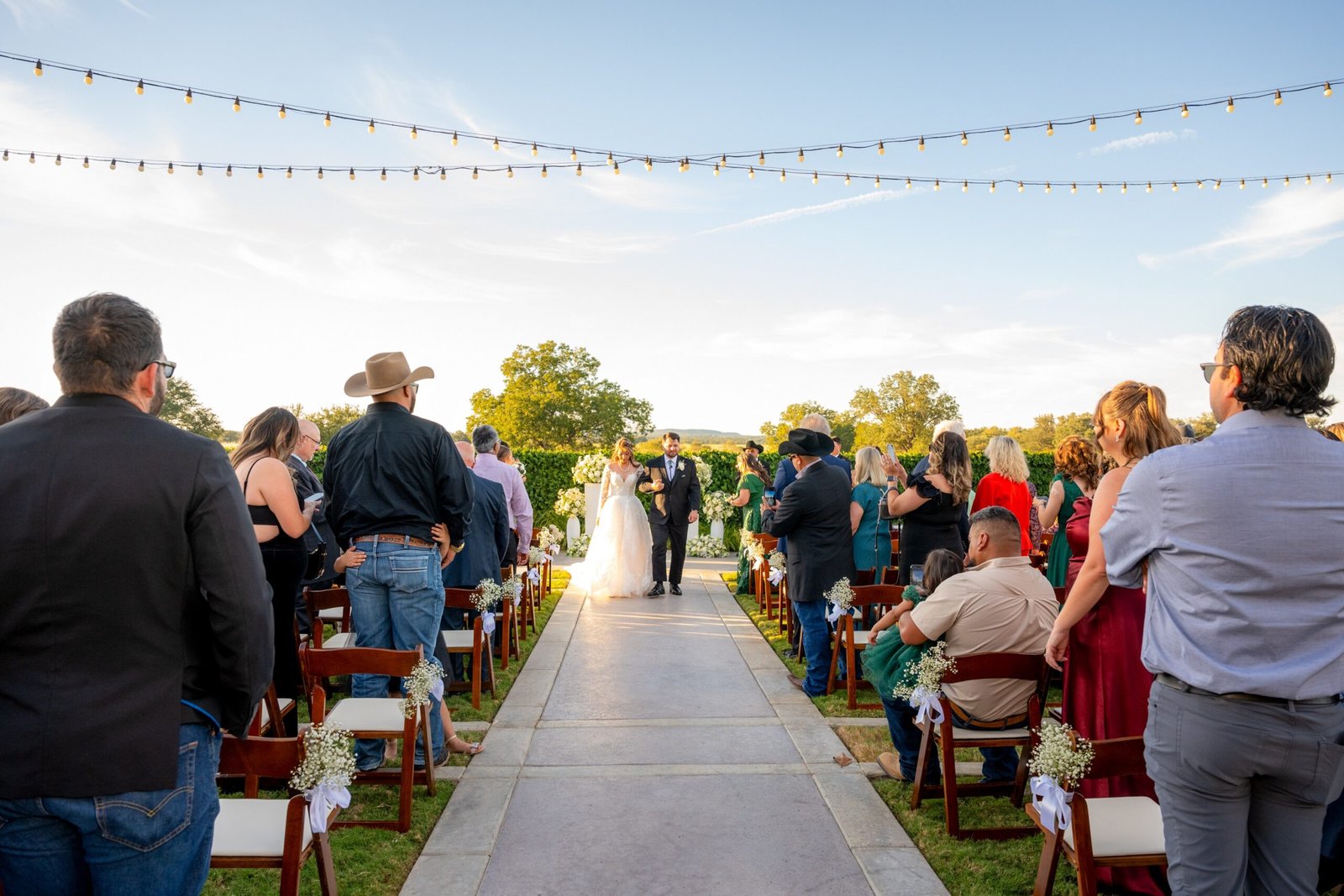
We have shot with the Nikon Z9 and Z8 since each one launched, and the wedding ceremony above was made on the Z8 outdoors at golden hour, the kind of day when gear is hot, dusty and on the move. The way we think about it, the real protection on a paid job is not a checkout plan. It is a second body in the bag, two card slots recording at once, careful handling and a solid case. (We tested two of those in our Pelican vs YETI hard case drop test.)
A quick Black Friday checklist
- Buy from an authorized dealer. Gray-market gear can lose warranty service entirely.
- Register your gear with the manufacturer, especially brands that reward registration with longer coverage.
- Check your card benefits before you pay, including whether they cover business use.
- Read plan exclusions for commercial use, theft and loss.
- Do not rush. Most plans can be added later, so decide once you know how hard your camera will work.
- Buy real memory cards. A bargain card can fail when it matters most. See our guide to spotting fake SD and CFexpress cards.
What this means if you are hiring a photographer
You do not need to care about anyone’s warranty paperwork. You do want to know what happens if a camera fails halfway through your conference, gala or headshot day. Ask your photographer:
- Do you bring a backup camera body, lenses and flashes?
- Does your camera record to two memory cards at the same time?
- How do you back up the photos after the event?
A professional should answer those quickly and without fuss. For more questions worth asking, see our post on what to ask before you hire an event or headshot photographer.
Where to buy
If you are shopping deals today, prices and stock change fast, so check current listings:
- Buy at Adorama: Nikon Z8 (the body we used for the photo above)
- Buy at Adorama: NIKKOR Z 24-70mm f/2.8 S
- Buy at Adorama: NIKKOR Z 24-120mm f/4 S (one of the lenses Cooke used in his price comparison)
Disclosure: some links in this post are affiliate links, and Grey Bug Photography may earn a small commission if you buy through them, at no extra cost to you.
The takeaway
For most careful hobbyists, skipping the checkout warranty and leaning on the manufacturer warranty and a good credit card is reasonable. If your camera goes to work with you, read the exclusions closely, because commercial use is often where these plans fall apart. And whatever you buy today, enjoy it and go make some photos.
Planning a conference, gala or team headshot day in San Antonio? See our event photography and headshot photography pages, browse our services, or contact Grey Bug Photography, a small veteran-owned business.