Can you prove a photo is real? With AI image and video tools getting better every month, that question is no longer just for journalists. A new camera project called CAIM1 made the rounds in photography news this weekend because it is built around one idea: proving that a photo or video was actually captured by a real camera, at a real place, at a real time.
Here’s what the CAIM1 is, how it fits into the bigger push for authentic photos, and what it means for San Antonio businesses and organizations that rely on event photos and headshots.
What is the CAIM1 camera?
As Camera Jabber reported on Nov. 1, 2026, the CAIM1 pairs a Four Thirds sensor with a Sony E-mount and builds its whole identity around hardware-level encryption. The name stands for “Counter Artificial Intelligence Machine 1,” and the maker’s tagline says it all: “Prove You Were There.”
Based on the maker’s site and coverage from Camera Jabber and PetaPixel, here’s what we know so far:
- A security chip at the core. The camera uses a secure chip called TROPIC01 from Prague-based Tropic Square. The idea is that files are locked and signed by the hardware the moment you press record, not later by software.
- Proof anyone can check. The camera creates a cryptographic proof at capture and anchors that record on decentralized infrastructure, so a third party can verify where a file came from.
- Video first. It’s designed for 4K video at 60 frames per second while doing that encryption work, which is demanding enough that the prototype uses a small built-in cooling fan.
- A printed receipt. As an option, each verified clip can print a physical receipt with an access code that links to a digital wallet holding the proof.
- Bring your own lens. It uses the common Sony E-mount, with a Micro Four Thirds mount option, and has a 4.3-inch touchscreen.
The catch: the CAIM1 is still a prototype. A working unit was shown in Tokyo, the team is aiming for early 2027, and no price has been announced. Reviewers have also asked whether Sony will be comfortable with a third-party E-mount body. So this isn’t a camera you can buy today, but it’s a clear sign of where the conversation is heading.
The bigger picture: Content Credentials
The CAIM1 isn’t the only effort to prove photos are real. Major camera makers including Leica, Sony and Nikon have added Content Credentials (based on the C2PA standard) to some of their cameras. Content Credentials attach a tamper-evident record to a file showing how it was made and whether it was edited. Leica’s M11-P was one of the first cameras to offer it back in 2023.
What makes the CAIM1 different is its focus on full hardware encryption for video, plus that printed receipt. Whether it becomes a real product or not, the message from the industry is the same: in a world full of AI-generated images, being able to show your photos are authentic is becoming valuable.
Why this matters for event photos
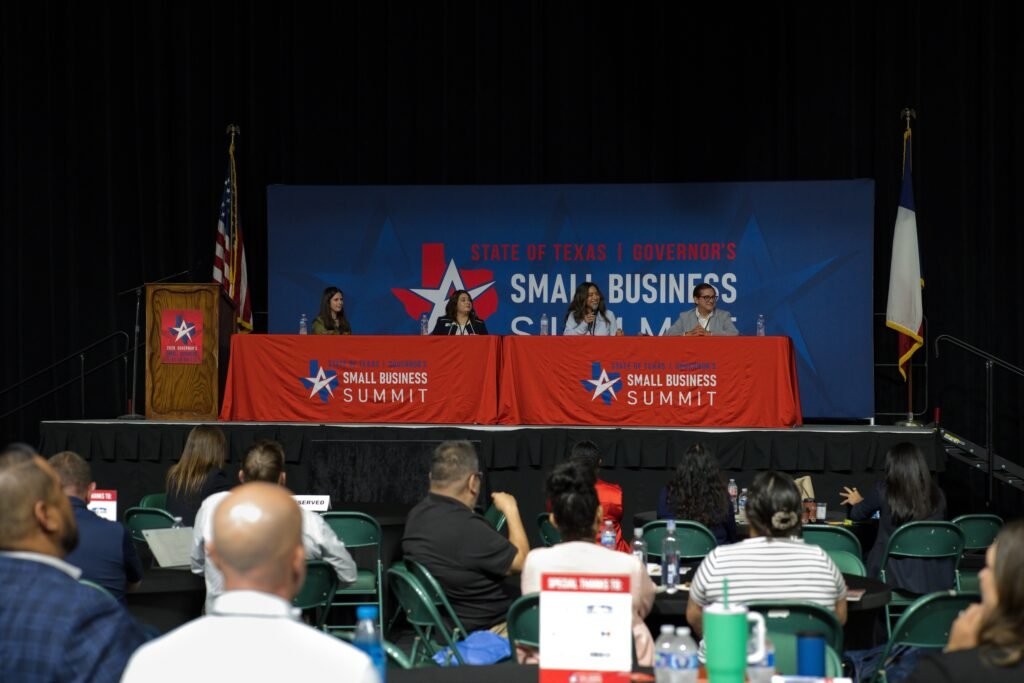
Event photography is documentation. When your company hosts a conference, a ribbon cutting, a gala or a community celebration, the photos become the record of what happened: who spoke, how many people showed up and what the room felt like.
- Sponsors and grant reports. Many organizations use event photos to show sponsors, boards and funders that an event happened as promised. Real, unaltered photos carry weight.
- Press and public relations. News outlets and partners are getting more careful about where images come from. Original files from a known photographer are easier to trust than an image pulled from a group chat.
- Your own credibility. If your marketing shows a packed room, it should be your packed room. Audiences are getting better at spotting fake or heavily generated images.
And for headshots
AI headshot generators are everywhere, but a headshot is supposed to show what you actually look like. Clients, recruiters and customers notice when the person who shows up to the meeting doesn’t match the profile photo. A professionally lit, lightly retouched real headshot builds trust in a way a generated avatar can’t.
Practical tips: keep your photos trustworthy today
You don’t need a special encrypted camera to protect the authenticity of your images. A few simple habits go a long way:
- Keep the original files. Ask for and archive the full-resolution originals from your photographer, not just social media crops or screenshots.
- Keep the metadata. Capture date, time and camera information live inside the file. Some apps and platforms strip it out, so store a clean copy of the originals.
- Know the edit policy. Ask your photographer what kind of editing they do. Color, exposure and light skin retouching are normal. Adding or removing people from an event photo is a different thing, and you should know where the line is.
- Use one official gallery. Deliver and share event photos from a single, dated source, like a private online gallery, so there’s a clear record of where they came from.
- Credit the photographer. A simple photo credit ties the image back to a real person who was there.
The bottom line
The CAIM1 is still a prototype, but the problem it’s trying to solve is real today. As generated images get harder to spot, authentic photos from a photographer who was actually in the room are becoming more valuable, not less. That’s true for a 500-person conference and for the headshot on your LinkedIn profile.
Planning a conference, community event or team headshot day in San Antonio? Get in touch with Grey Bug Photography and let’s capture the real moments that tell your story.