Today, November 20, is the last day for eight U.S.-based photo editors at the Associated Press. Their roles are moving to the news agency’s production hub in Noida, India. It is big news inside the photo world, and it raises a question that matters well beyond newsrooms: who actually looks at, picks and edits your photos, and how well do they know the story behind them?
For businesses, nonprofits and organizers booking event and headshot photography in San Antonio, the answer affects the quality, accuracy and speed of what you get back. Here is what happened and what you can take from it.
What the AP announced
According to PetaPixel and TheWrap, the AP is moving eight union photo editor positions from the United States to its hub in Noida. It follows the AP’s earlier move of about 20 U.S. video production jobs to the same hub this summer. The AP says the hub will soon employ nearly 100 video producers and photo editors, and that the change is part of a plan announced over the summer to scale its visual production. An AP spokesperson said the agency is respecting and following its collective bargaining agreement.
The News Media Guild, the union representing the editors, strongly disagrees. It has called the move union busting and is seeking an arbitrator’s ruling. The Guild’s president said the result will be fewer people covering fewer communities.
What a photo editor really does
The most useful part of this story for anyone who hires a photographer is the Guild’s description of the job. Photo editors do not just pick the best frames. According to the Guild, they:
- Give direction to photographers before and during an assignment.
- Check and correct captions and key facts, such as names, places and what is happening.
- Scrutinize images for alterations, so nothing misleading gets published.
- Bring local knowledge, news judgment and community connections.
- Negotiate rights to photos from outside photographers during breaking news.
One affected editor told reporters about securing the rights to a widely published 2019 photo from the Rio Grande, a picture he believes few others could have obtained. That kind of judgment comes from years of experience and relationships.
To be clear, skilled photo editors work all over the world, including in India. The bigger lesson is not about geography. It is that editing is a skilled step that depends on context, and context is easy to lose when the person editing was never close to the event.
Why this matters for your event and headshot photos
1. Local knowledge shows up in the selects
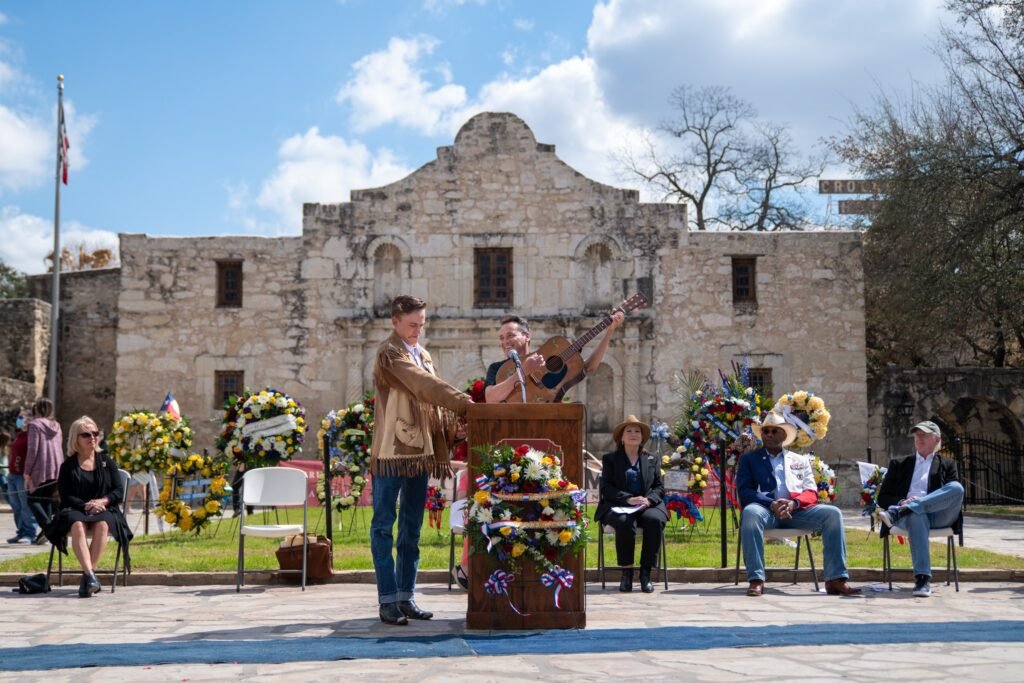
Whoever chooses your images decides which moments represent your event. Knowing which speaker was the keynote, which award mattered most and which guests are your board members changes what makes the final gallery. At an event like the ceremony pictured above on Alamo Plaza, knowing the program and the place helps the photographer and editor tell the story correctly.
2. Accuracy is part of the job
For press releases, newsletters and social posts, names, titles and details have to be right. We ask clients for a run of show and a list of VIPs before the event, so the photos and any captions match what actually happened.
3. Image integrity builds trust
Newsrooms check photos for manipulation because trust is everything. Your business photos deserve the same care. We retouch to clean up and polish, not to change what happened or who was there. We wrote about why real photos matter for business in our post on Canva’s new AI controls and why natural color matters in our look at phone photos that don’t match reality.
4. Ask who edits, and how fast
Some photography services send editing to outside teams to save time or cost. That can work, but it is fair to ask. Who culls and edits my photos? How do you keep color and skin tones consistent? When will I get my gallery? Clear answers are a good sign.
How Grey Bug handles editing
At Grey Bug Photography, the same team that shoots your event or headshot day also selects and edits the images. We have photographed events and headshots with the Nikon Z9 and Z8 since launch, and our editing workflow uses Aftershoot to speed up culling and Lightroom for consistent color, exposure and skin tones across the whole set. Software helps us move fast, but a person who was in the room makes the final calls. If you are curious about editing tools, our recent post on VSCO Studio Pro’s desktop batch editing covers how new software is changing gallery delivery.
The takeaway
The AP’s decision is a reminder that photo editing is much more than pressing a preset button. It is judgment, accuracy and local knowledge. When you book a photographer for a conference, gala, company celebration or team headshot day, ask who will be editing your photos and how they will get the details right. The answer says a lot about the gallery you will receive.
Sources: PetaPixel, November 20, 2026; TheWrap, November 10, 2026.
Planning an event or headshot session in San Antonio or anywhere in Texas? See our event photography and headshot photography pages, or contact Grey Bug Photography to talk about your date.