Anyone who has tried to take portraits outside in San Antonio at noon knows the problem: the sun is harsh, the sky turns white, and your subject squints in deep shadows. A new Fstoppers lesson by Alex Cooke, built around sports photographer Dani Mack, shows a simple fix that works just as well for outdoor headshots and event portraits: high-speed sync flash.
Here is what high-speed sync (HSS) is, the step-by-step method from the lesson, and how we apply the same idea to outdoor headshots, team photos and event portraits in the Texas sun.
What is high-speed sync, in plain English?
Every camera has a flash sync speed, the fastest shutter speed where a normal flash pop can light the whole frame. On many cameras it is around 1/200 to 1/250 of a second. Go faster than that with a regular flash and you get a dark band across the photo, because the shutter curtains are already covering part of the sensor when the flash fires.
High-speed sync gets around that limit. The flash pulses very quickly for the whole time the shutter is moving, so you can use shutter speeds like 1/2,000 or even 1/8,000 of a second and still light your subject. On most triggers it is marked with an H and a lightning bolt. Our Nikon Z9 and Z8 bodies support it with compatible Nikon and third-party flashes, and so do most current mirrorless cameras.
Why use flash outside in bright sun?
It sounds backwards, but bright sun is when flash helps the most. In the lesson, Mack shoots the same pose with and without flash. The no-flash frame is exposed for the scene and looks flat. The flash frame has a deeper, richer sky and a subject who pops off the background. Her verdict on which one wins is short and to the point: the one with the flash.
For our clients, that means:
- A blue sky instead of a white one behind outdoor headshots and team photos.
- Cleaner faces: flash fills the dark shadows under eyes and hat brims that midday sun creates.
- Shallow depth of field in full sun: HSS lets you keep a lens wide open (f/1.8 to f/3.2) for a soft background, without blowing out the photo.
- Less squinting: you can put the sun behind your subject as a rim light and light their face with the flash.
The step-by-step method: build the photo from the sky down
- Turn the flash off and expose for the sky. Point the camera at the background and adjust until the sky and clouds look the way you want. In the lesson that landed at f/3.2, ISO 50 and 1/8,000 of a second, far beyond normal sync speed.
- Switch your trigger to HSS. Look for the H and lightning bolt. If you forget, you will see that dark band across the frame.
- Put the sun behind your subject. The sun becomes a natural hair or rim light, and your subject is not squinting into it.
- Add one light for the face. Start with a single flash or strobe in a modifier off to one side, then turn the power up until the face is bright enough against the darker sky.
- Take a no-flash comparison shot. It takes two seconds and shows the client (and you) why the flash matters.
- Add rim lights only when you need them. Mack moves to a three-light triangle: two rim lights set to match each other, tested with the main light off, then the main light added back. Any light can become the main, which gives new looks and a new sky just by turning.
- Adjust power, not stands. When the subject drifts closer to a light, she lowers its power from the trigger instead of moving everything. Weighted stands stay put in the wind.
How this applies to outdoor headshots and events in San Antonio
Most of our clients are not football players, but the same light shows up at outdoor ceremonies, rooftop receptions, campus events and on-site team headshots. A few practical notes:
- HSS costs power. Pulsing the flash uses up a lot of output, so a small speedlight can run out of punch quickly at 1/8,000. A compact strobe in the 200 to 400 watt-second range is a better fit for full-sun portraits.
- Keep the light close. Moving the light a little closer is often better than turning the power all the way up, and it recycles faster for quick sessions.
- Weigh down every stand. A light stand with a softbox is a sail in the Texas wind. Sandbags are not optional, as our recent tripod safety post showed.
- Soften the light for headshots. A bare flash is harsh. A softbox or octa gives flattering skin. Our post on softbox shape and size for headshots covers which modifiers work best.
- Watch the time. If you can, schedule outdoor portraits in the softer light of morning or late afternoon. When the event is at noon, HSS is how you still get the shot.
Gear that makes high-speed sync easy
If you want to try HSS outside, these are good starting points (check that the flash and trigger match your camera brand):
- Shop the Westcott FJ400 II at Adorama, the compact strobe mentioned in the lesson as able to make the same images as its larger FJ800.
- Shop the Godox AD200 Pro II at Adorama, a popular pocket strobe for on-location headshots.
- Shop the Nikon SB-5000 at Adorama, Nikon’s own speedlight with high-speed sync for Z cameras.
- Shop the Godox X2T-N trigger at Adorama, a Nikon-mount trigger with HSS for off-camera Godox lights.
Disclosure: some links in this post are affiliate links, which means Grey Bug Photography may earn a small commission if you buy through them, at no extra cost to you.
What this means if you are booking outdoor photos
- Ask your photographer how they handle midday sun. If the answer is “we just shoot in the shade,” you may lose the sky and the setting you chose.
- Allow a few extra minutes for setup. Lights, stands and sandbags take a moment, and the results are worth it.
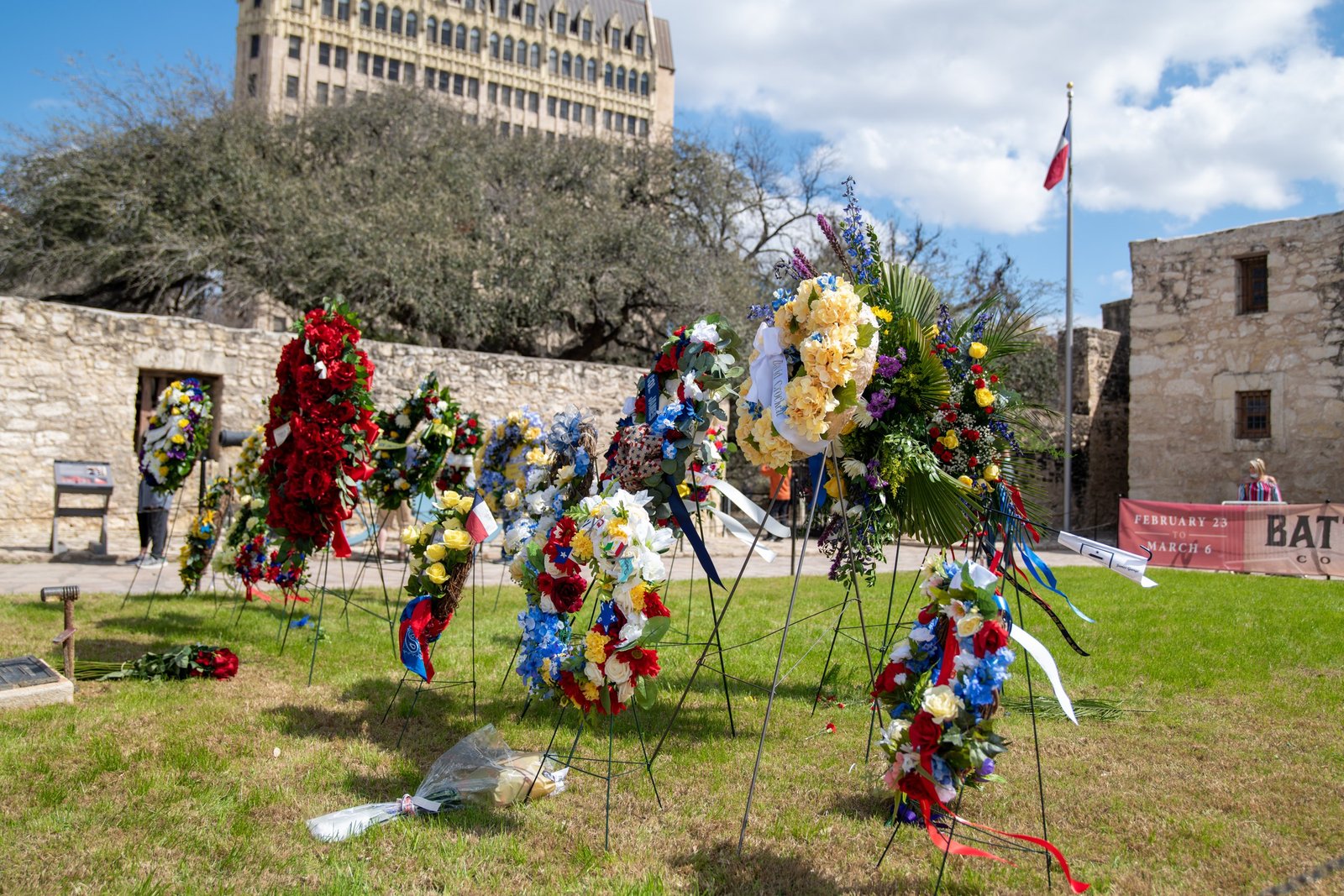
- Bring the location into the photo. With HSS, landmarks like the Alamo or a downtown skyline can stay rich and colorful behind your team instead of fading to white.
The takeaway
High-speed sync turns harsh midday sun from a problem into an advantage. Expose for the sky first, switch your trigger to HSS, put the sun behind your subject and light the face with one well-placed flash. It works for athletes, and it works just as well for outdoor headshots and event portraits in San Antonio.
Need outdoor team headshots or event coverage in San Antonio? See our headshot photography and event photography pages, or contact Grey Bug Photography, a small veteran-owned business.