OBSBOT has fully detailed two new AI-powered PTZ cameras, the Tail Air 2 and the Tail 2 ADV, and some headlines this week are asking whether cameras like these could replace camera operators. For anyone planning a conference, panel, workshop or company meeting in San Antonio, that is a fair question. Small robotic cameras that follow a speaker on their own are getting better and cheaper, and they are showing up in more event rooms.
Here is what was announced, where these cameras genuinely help, and why they still do not replace a photographer who is watching the room.
What OBSBOT announced
According to OBSBOT’s launch announcement and coverage from Digital Camera World, TV Tech and What Digital Camera, the headline features are:
- Tail Air 2: a compact, battery-powered PTZ camera that moves up from a 1/1.8-inch sensor to a 1-inch sensor, with an f/1.9 lens, 4K at up to 60fps and 1080p at up to 120fps.
- A new roll axis: OBSBOT calls it PTZR (pan, tilt, zoom and roll), so the camera can rotate for true vertical 4K video for social media without cropping.
- AI Tracking 2.0: the camera can follow people, more than 30 animal species and over 200 object categories, and keep the shot level as it pans.
- Better low light and HDR: OBSBOT claims about 13 stops of dynamic range with its LOFIC HDR mode and improved noise in dim rooms. These are maker claims that have not been independently tested yet.
- Streaming and multi-camera tools: Wi-Fi 6 or wired Ethernet, SRT, RTSP and RTMP streaming, local recording, timecode support, and an NDI HX3 version for network video setups.
- Tail 2 ADV: a bigger sibling with a 21x optical zoom, a 1/2-inch sensor, SDI and HDMI outputs, PoE+ and tracking from up to about 240 meters away.
What Digital Camera lists the Tail Air 2 at $899 ($999 for the NDI version) and the Tail 2 ADV at $1,599, with lower pre-order prices, and both are scheduled to go on sale December 8, 2026.
Where AI PTZ cameras really help at events
For a lot of events, a camera like this can be useful:
- Livestreaming a keynote or panel. One locked-off camera that follows the speaker as they walk the stage is a big step up from a phone on a tripod.
- Recording every breakout session. At multi-room conferences, a small tracking camera in each room can capture sessions that would otherwise go unrecorded.
- Vertical clips for social. Native vertical video saves time when your marketing team wants quick Reels, Shorts or TikToks from the day.
- Hybrid meetings and trainings. Remote attendees get a better view of the presenter without anyone running a camera.
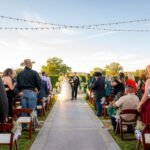
The photo at the top of this post, from the Governor’s Small Business Summit in Midland, shows how common video coverage has become: there are video cameras on tripods in the room while sessions run. Small automated cameras simply make that kind of coverage easier for smaller events and budgets.
What a tracking camera cannot do
An AI camera is good at following one subject from one spot. An event photographer does a different job:
1. Choosing the moment, not just the subject
Tracking keeps a speaker centered. It does not know when the CEO is about to hand out the award, when the audience is about to laugh, or which handshake your PR team will want for the press release. Reading the program and the room is what turns coverage into story.
2. Moving to the best angle
A PTZ camera stays where you mount it. A photographer can walk to the side aisle for the panel, step up to a balcony for a wide shot like the one above, then go down to the front row for reactions. Different angles are what make a gallery feel complete.
3. Still images built for print and web
Video frames and true still photographs are not the same thing. For website banners, sponsor reports, annual reports and headshots, you want high-resolution stills shot with the right shutter speed and light. Grey Bug has photographed events and headshots with the Nikon Z9 and Z8 since launch, and the wide image above was made on a Z9 with a 24-70mm f/2.8 lens.
4. Handling people
Good event photography involves gentle direction: gathering the board for a group photo, catching sponsors with their banners, and respecting guests who do not want to be photographed. A tracking algorithm will not do any of that for you.
How to plan photo and video together
The best results usually come from using both. If you are planning an event in San Antonio or anywhere in Texas, a few tips:
- Decide what you need afterward. Full session recordings, a short recap video, social clips and still photos are different deliverables. List them first.
- Share the run of show early. Your photographer and your AV or video team should know the agenda, the VIPs and the key moments.
- Plan camera positions. Tripods and robotic cameras need safe spots away from walkways, with power and network access, and should not block the photographer’s or guests’ view.
- Check the light. Both PTZ cameras and still cameras look better when the stage is lit well. Dim rooms hurt every camera, no matter how good the sensor is.
We have covered other gear that is making event video easier, including Nikon ZR firmware 2.0 for low-light event video, the Panasonic LUMIX SHX1 box cinema camera, and the HEIPI KB50 hybrid tripod head.
Gear mentioned in this post
- OBSBOT Tail Air PTZ cameras for livestreams and session recording: Shop OBSBOT Tail Air at Adorama
- Nikon Z9, one of the bodies we have relied on for event and headshot work since it launched: Buy at Adorama
- NIKKOR Z 24-70mm f/2.8 S II, the zoom used for the photo at the top: Buy at Adorama
Disclosure: some links in this post are affiliate links, which means Grey Bug Photography may earn a small commission if you buy through them, at no extra cost to you.
The takeaway
OBSBOT’s Tail Air 2 and Tail 2 ADV show how fast automated video is improving, with bigger sensors, smarter tracking and vertical video built in. For livestreams and session recordings, they can be a smart, affordable tool. But a camera that follows a subject is not the same as a photographer who knows which moments matter. For the photos that end up on your website, in your sponsor reports and in the news, plan for both.
Sources: OBSBOT, November 19, 2026; TV Tech, November 19, 2026; What Digital Camera, November 20, 2026; Digital Camera World, November 21, 2026.
Planning a conference, summit or headshot day in San Antonio? See our event photography and headshot photography pages, or contact Grey Bug Photography to talk about your date.